I am a physician-scientist passionate about harnessing genomics to unravel the mechanisms driving human biology and disease. My career has evolved from hands-on bench work to the forefront of big data and computational analysis, with a continuous focus on chromatin organization. Ultimately, I strive to translate scientific discoveries into advances that deepen our understanding - and improve the diagnosis - of complex diseases.
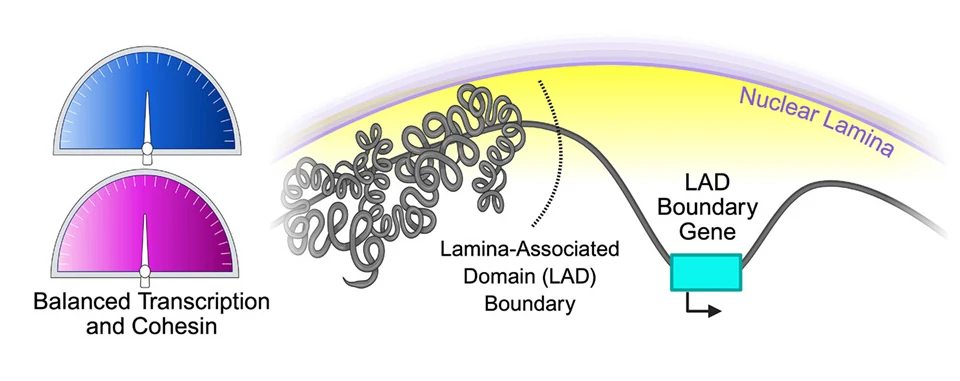
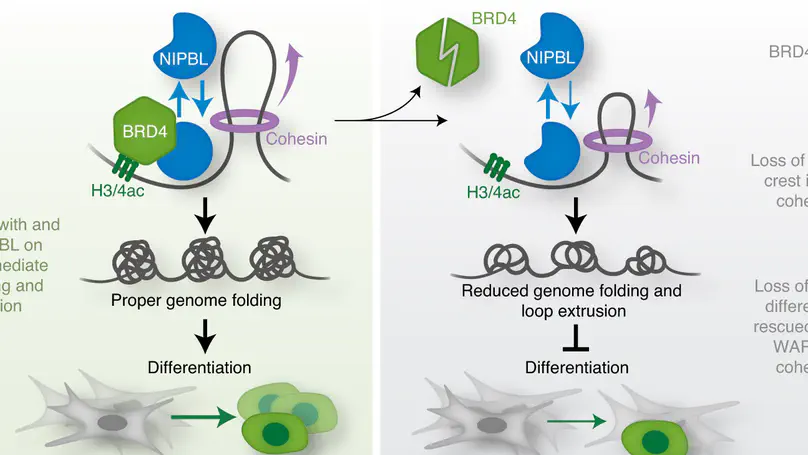
During my graduate studies, I was honored to receive the NIH F31 fellowship under the mentorship of Drs. Rajan Jain and Jon Epstein. Together, we investigated how chromatin architecture controls gene regulation during cell differentiation, leading to several publications, including two first-author papers in journals like Nature Genetics and Circulation.
Now, as a pathology resident at Emory University, I’m excited to apply my expertise in genetics, genomics, and computational biology to advance personalized medicine and improve patient care.
Outside of work, family is my priority. You’ll often find me chasing after my daughter at the neighborhood playground, exploring trails on family camping trips, or discovering new dining spots around Atlanta.
Download my curriculum vitae.
Access my genomics analysis Shiny server.
Explore Hi-C data in my HiGlass server.
- Genetics & Epigenetics
- Chromatin organization
- Computational genomics
- Data analysis & visualization
- Disease biology
Pathology Residency
Emory University School of Medicine · 2026–present
MD
Perelman School of Medicine, University of Pennsylvania · 2023
PhD, Genetics and Epigenetics
University of Pennsylvania · 2021
BS, Molecular and Cellular Biology
The Johns Hopkins University · 2012

Computational Skills
Shell Scripting | CLI | Sys Adm
Statistical Analysis | Visualization | R Shiny
Text Processing | Data Formatting | Regex
Data Generation & Analysis | Bioconda
Research Experience